

Lunar surface
Off-world Robotic Autonomy

Robots that
think and act for themselves.

We build the AI brain that lets robots operate independently — on the Moon, in orbit, on Mars, or right here on Earth. No ground controller needed.

scroll

AI autonomy for
the age of space robots.

Space missions are growing in number and complexity. Centralised, human-driven operations are becoming the limiting factor. We are building the software layer that enables robots to operate independently.

Autonomous robotics and AI are explicitly identified as priority technologies in ESA's Technology 2040 roadmap, the EU Commission's ISOS strategy, and NASA's Moon to Mars architecture.

01 · The challenge

Space missions are growing faster than our ability to operate them.

Every new mission requires engineers monitoring operations around the clock. Signals take minutes to reach deep space. And as missions multiply, human-centred control becomes the limiting factor.

02 · Our answer

A plug-and-play AI brain that drops into any robot.

NaubrAIn is our autonomy software module. It slots into satellites, rovers, robotic arms — anything with sensors and actuators — and makes it self-sufficient.

03 · The result

Robots that navigate, decide, and recover — on their own.

Real-time decisions. No latency. No operator required. The same mission, at a fraction of the cost and complexity.

Initial target applications
01 · Orbital

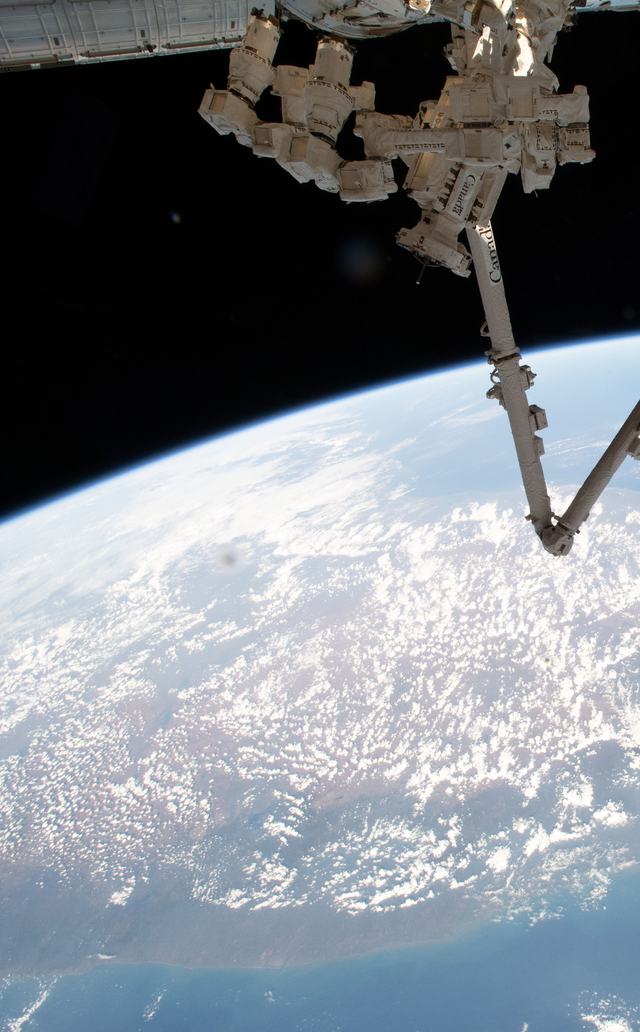
A microsat-class satellite performing autonomous inspection and close-range navigation around a client spacecraft.

02 · Station

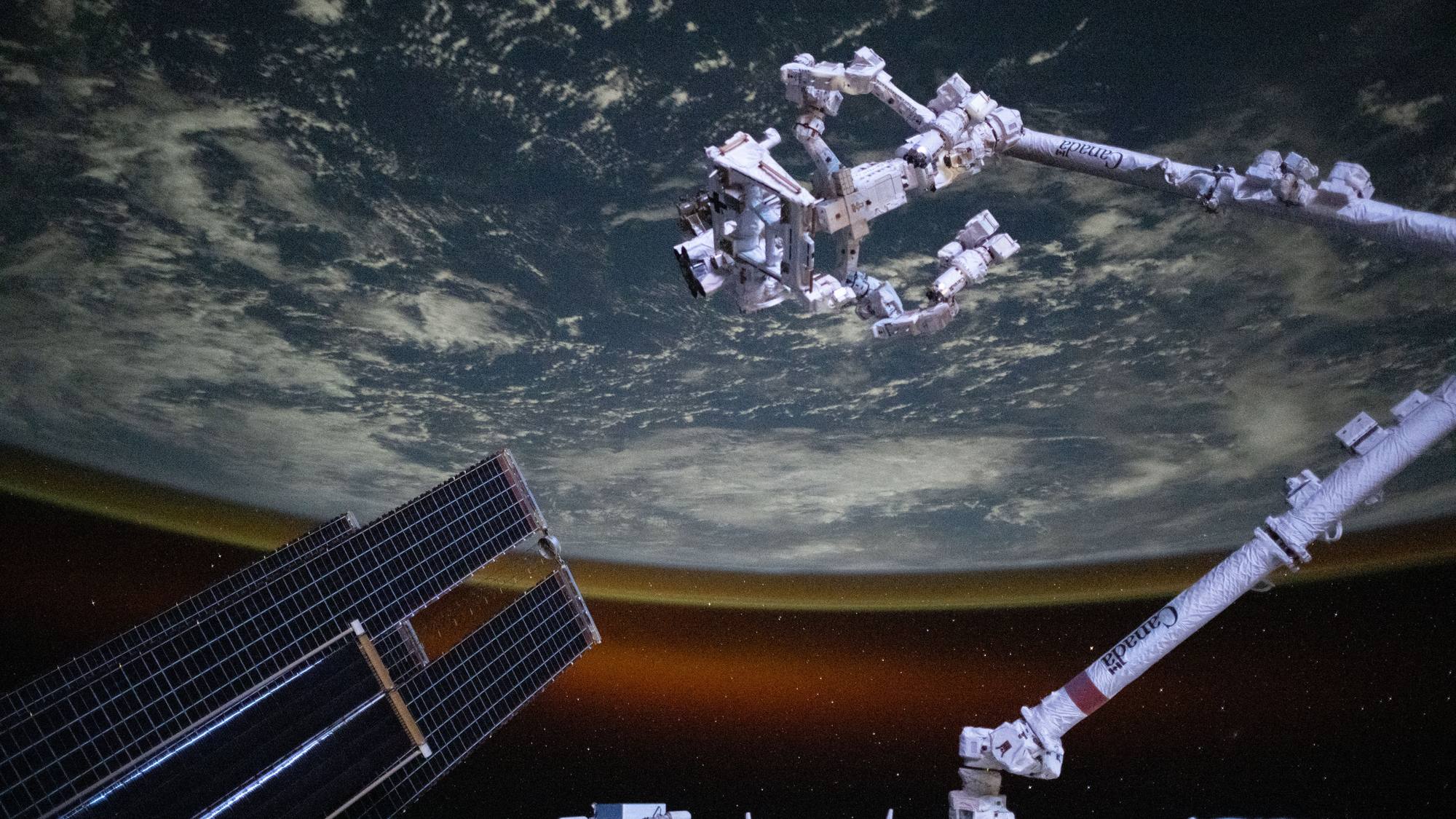
A compact robotic assistant navigating a space station module for routine monitoring, independent of crew.

03 · Surface

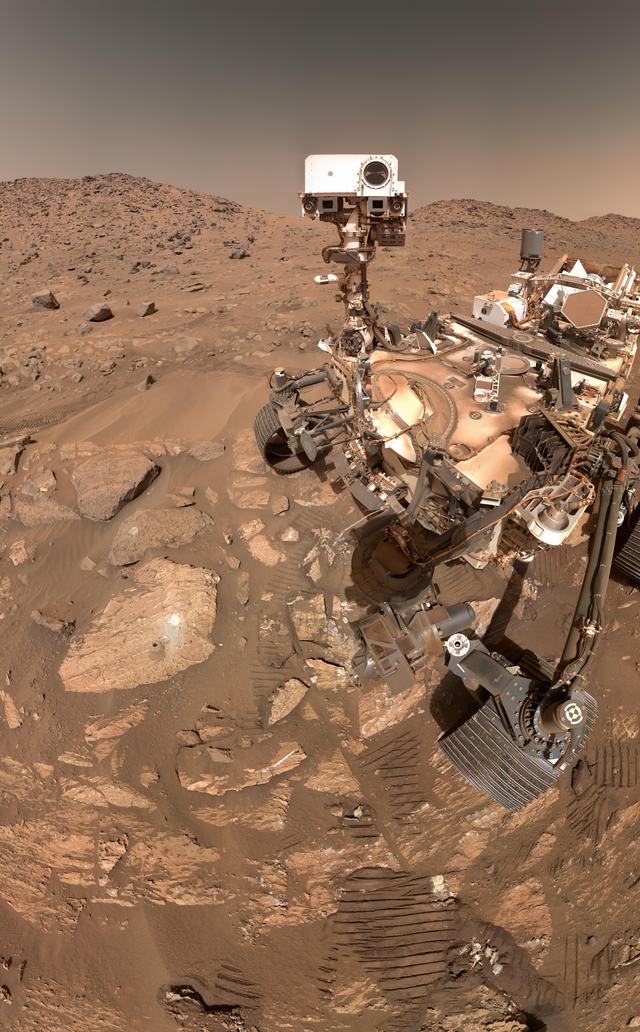
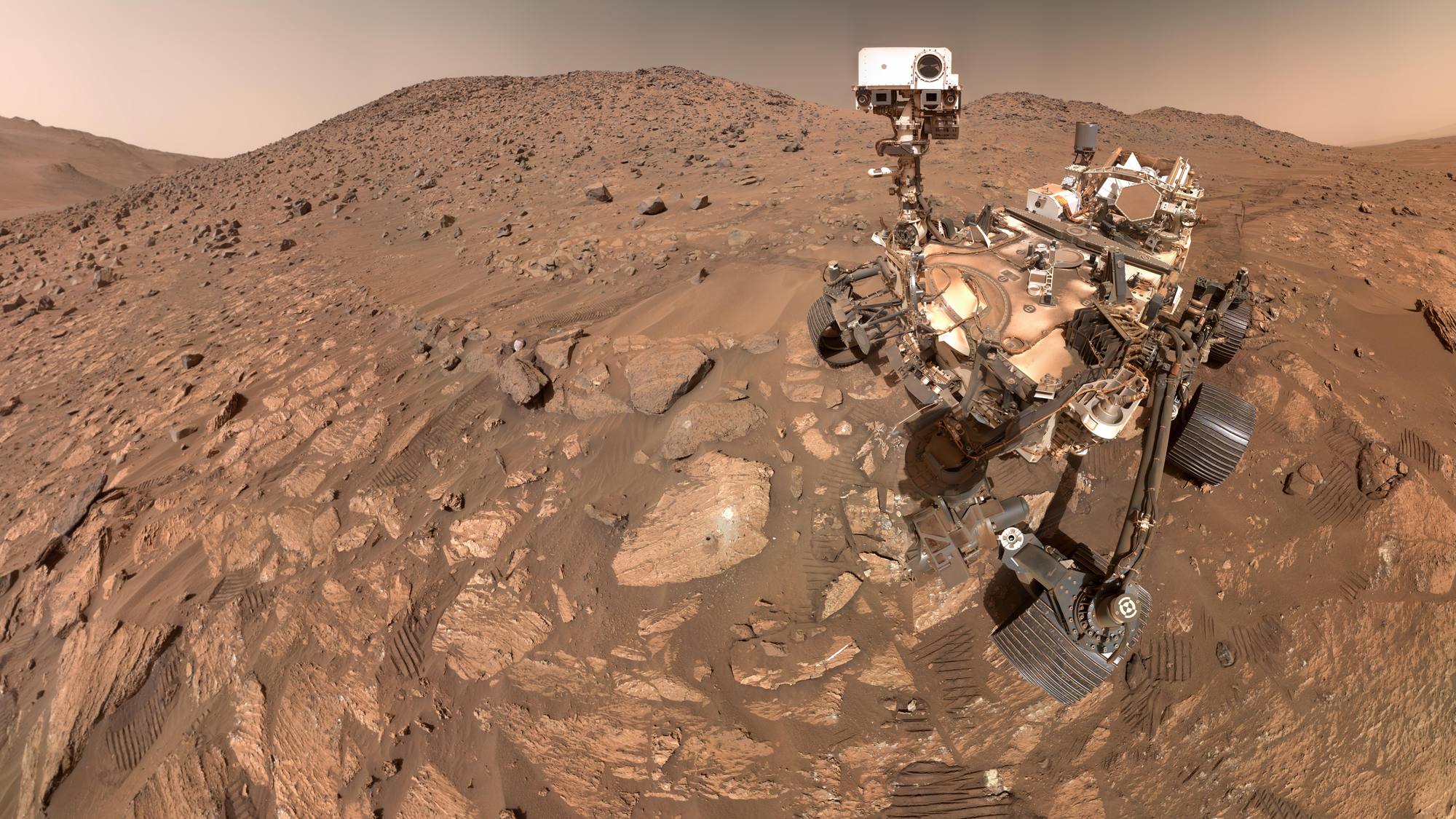
A small rover executing autonomous navigation and hazard avoidance in a lunar analogue environment.

NaubrAIn capabilities

Plug in, fly.

Connects to existing flight software with minimal integration effort. No platform redesign needed. Works with the stack you already have.

Thinks in real time.

Built for the tight power and compute budgets of space-grade hardware. Fast enough to matter to perform in challenging environments.

Scales from a CubeSat to a rover.

The same core module adapts across platform sizes. One investment, many missions. From compact microsats to planetary rovers.

Goes anywhere robots go.

Orbital servicing, lunar prospecting, habitat maintenance, terrestrial robotics — one AI, every environment.

Adapts on the edge.

AI-based decision making that adapts to unexpected environmental conditions. Built for enhanced robustness and reliability.

Safety by design.

Built-in fault detection, system monitoring, and autonomous recovery. When something goes wrong millions of miles away, it handles it.

Focused where the gap is largest.

The initial development priority is onboard task planning, replanning, and fault detection — the autonomy sub-functions with the largest gap between institutional demand and current technology maturity.

Now · 2026–2028
Building & testing on the ground
Developing NaubrAIn on three robotic platforms — including a terrestrial robot demonstrator as the first commercial validation pathway — alongside lab and simulation testing.
TRL 2 → 7
2029–2030
First missions in space
Flying on the ESA LUMIO lunar mission. Proving the tech where it matters most.
TRL 9
2031–2034
Going commercial
Full product launch. ASI AEGIS asteroid mission. Customers across the space industry.
Commercial
2035+
Robots running the solar system
Multi-robot fleets on the Moon, Mars, and in orbit. Minimal human intervention.
Full deployment

A team rooted in
space robotics research.

We grew out of the Space Robotics group at the University of Luxembourg, where we have been working on AI-driven autonomy for space systems since 2020. NaubotiX is the next step — bringing that research into a real product.

NaubotiX · Luxembourg 🇱🇺
V. Franzese

V. Franzese

Managing Director

M. El Hariry

M. El Hariry

Robotics & AI Lead

M. A. Olivares-Mendez

M. A. Olivares-Mendez

Business Development

Nautilus · Italy 🇮🇹 — founding partner
Nautilus Logo

Nautilus srl

Our founding partner — spacecraft autonomous GNC, 4 lunar & deep space missions, 20+ contracts. Explore their work at spacenautilus.com

Building within
the space ecosystem.

We are actively building partnerships across the Luxembourgish and European space ecosystem, with interest from actors in lunar exploration, satellite operations, and orbital robotics. If you are interested in collaborating, get in touch.

NaubotiX is a selected participant of the ESRIC Start-up Support Programme #6 — the European Space Resources Innovation Centre, based in Luxembourg, a programme focused on space resources and robotics technologies.

What's happening
at NaubotiX.

We're moving fast. Here's where we are right now.

February 2026

Selected for ESRIC Start-up Support Programme #6

NaubotiX was selected as part of a competitive cohort for the ESRIC Start-up Support Programme #6 at the European Space Resources Innovation Centre in Luxembourg, a programme focused on space resources and robotics technologies.

Milestone
2026

Company registration underway in Luxembourg

NaubotiX is formally registering as a Luxembourgish entity, building on the team's track record from the University of Luxembourg's Space Robotics group.

Company
Ongoing

NaubrAIn development begins — three platforms, one brain

Active development underway on the core autonomy module, targeting a micro-satellite, a compact rover, and an IVA robotic assistant as the first three validation platforms.

R&D

Let's build the future
of space robotics together.

Whether you're a potential partner, investor, or space agency looking for autonomous robotics capabilities — we'd love to talk.

[email protected]
Headquarters
Luxembourg 🇱🇺
Partner entity
Nautilus srl · Italy 🇮🇹
Status
Registering · 2026